
Brain Games for Dogs: Unlocking the Power of Puzzle Toys
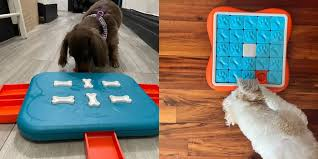
You walk your dog daily. You play fetch until your arm aches. You buy the most durable chew toys on the market. Yet, your dog still seems restless, pacing around the house or getting into mischief the moment you sit down. What’s missing?
While physical exercise is crucial for a healthy dog, it’s only half the equation. Dogs are intelligent creatures that need mental stimulation just as much as they need a good run. Without it, they get bored—and a bored dog is often a destructive one.
Enter the world of dog puzzle toys. These aren’t just accessories; they are essential tools for unlocking your dog’s cognitive potential. By challenging your pet to think, solve, and work for their rewards, you can transform playtime into a brain-boosting workout that leaves them satisfied and calm.
What Are Dog Puzzle Toys?
At their core, puzzle toys are interactive games that require your dog to solve a problem to receive a reward, usually a treat or food. Unlike a standard tennis ball or rope toy, which relies on physical instinct (chase, chew, tug), a puzzle toy engages the brain.
These toys tap into your dog’s natural foraging instincts. In the wild, canines spend a significant portion of their day hunting and scavenging for food. Domesticated life, with its predictable bowl-feeding schedule, eliminates this mental work. Puzzle toys bring it back in a fun, safe way.
Examples of these brain teasers include:
- Treat Dispensers: Toys that must be rolled, tipped, or nudged to release kibble.
- Hide-and-Seek Plushies: Soft toys with hidden compartments where smaller toys or treats are concealed.
- Slide-and-Reveal Boards: Plastic or wooden boards with compartments that must be slid open, lifted, or flipped to reveal a hidden snack.
- Snuffle Mats: Fabric mats with loose strips of felt that mimic grass, requiring dogs to sniff out dry food hidden within the strands.
The Science of Mental Stimulation
Why is mental exercise so tiring? Think about how you feel after a long day of learning a new skill or solving complex problems at work. You might not have run a marathon, but you’re exhausted. The same applies to dogs.
Experts suggest that 15 minutes of intense mental activity can be as tiring for a dog as an hour of physical exercise. When a dog engages with a puzzle toy, their brain releases dopamine—the “feel-good” chemical—upon solving the task. This not only tires them out but also creates a positive feedback loop that reduces stress and anxiety.
1. Banish Boredom and Bad Behavior
Most “bad” dog behavior—excessive barking, digging, chewing furniture—stems from boredom. A dog with nothing to do will find something to do, and you probably won’t like their choice.
Providing a constructive outlet for that energy changes the game. Instead of destroying your favorite shoes, your dog focuses that energy on figuring out how to get the peanut butter out of a rubber toy. It redirects their natural drives into an appropriate activity.
2. Slow Down Fast Eaters
For dogs who inhale their dinner in seconds, slow feeders and puzzle toys are a health necessity. rapid eating can lead to choking, vomiting, or a dangerous condition called bloat (Gastric Dilatation-Volvulus).
By feeding your dog their meals through a puzzle toy, you force them to eat one piece at a time. This aids digestion and turns a 30-second gulp-fest into a 20-minute engaging activity.
3. Build Confidence and Independence
Solving a problem on their own gives dogs a massive confidence boost. Shy or anxious dogs often benefit greatly from puzzle toys because they provide a “win.” It teaches them that they can manipulate their environment to get a positive result.
It also encourages independence. While interactive play with you is vital, it’s equally important for dogs to learn how to entertain themselves without constant human intervention. A well-filled puzzle toy can keep a dog happily occupied while you take a Zoom call or cook dinner.
4. Improve Problem-Solving Skills
Just like humans doing crossword puzzles to keep their minds sharp, dogs need cognitive challenges to maintain brain health. This is especially important for aging dogs to help ward off canine cognitive dysfunction (doggie dementia).
Starting with simple puzzles and graduating to complex ones keeps their neural pathways active and adaptable.
Types of Brain Games to Try
The market is flooded with options, but choosing the right one depends on your dog’s experience level and play style.
The Rookie: Treat-Dispensing Balls
For dogs new to the concept, start simple. A hollow rubber ball or a bobble-style toy that dispenses kibble when knocked over is a great introduction. The reward is immediate, preventing frustration.
- Example: The classic Kong or a simple kibble ball.
The Hunter: Snuffle Mats and Plushies
For dogs driven by their nose, snuffle mats are incredible. They allow the dog to use their strongest sense—smell—to locate food. Similarly, “burrow” toys (like a plush tree trunk with squeaky squirrels inside) tap into the terrier instinct to dig and extract.
- Example: Fabric snuffle mats or “Hide-A-Squirrel” plush toys.
The Einstein: Strategy Board Games
These are for the pros. These hard plastic games have moving parts. Your dog might have to press a lever to drop a treat, then slide a cover to access it. These require sequential thinking.
- Example: Level 2 or 3 strategy games by brands like Outward Hound or Trixie.
Tips for Introducing Puzzle Toys
You can’t just toss a complex Level 3 puzzle at a dog who has never used one and expect them to figure it out. They will likely get frustrated, bark at it, or just walk away. Here is how to set them up for success.
Start Easy
Begin with a toy that offers a high rate of reinforcement. The treats should fall out easily at first. You want your dog to understand the connection: “I interact with this object, and good things happen.”
Use High-Value Treats
Dry kibble might not be enough motivation for a beginner. Use smelly, delicious treats like freeze-dried liver, cheese, or small pieces of hot dog. The smellier the treat, the harder your dog will work for it. Once they master the toy, you can switch back to regular kibble.
Be a Cheerleader
Sit with your dog the first few times they use a new puzzle. Encourage them verbally. If they get stuck, help them out! Show them how to nudge the lever or lift the flap. It’s a bonding activity, not a test.
Know When to Stop
If your dog starts chewing the plastic parts of the puzzle out of frustration, take it away. The goal is mental stimulation, not destruction. This usually means the puzzle is too hard, or the dog is too tired.
Cleanliness Matters
Food residue can build up in these toys, harboring bacteria. Ensure the toys you buy are easy to clean. Many rubber toys are dishwasher safe, while plush toys and snuffle mats should be machine washable.
Conclusion: A Smarter Way to Play
Incorporating brain games into your dog’s routine is one of the easiest ways to improve their quality of life. It requires minimal effort from you but offers maximum benefits for them.
Whether you have a high-energy puppy who needs to burn off steam or a senior dog who needs to stay sharp, there is a puzzle toy out there for them. It transforms mealtime from a mundane chore into an exciting hunt. It turns rainy days stuck inside into opportunities for learning.
So, next time you look at your restless pup, don’t just reach for the leash. Reach for a puzzle. Challenge their mind, and watch as your dog becomes calmer, smarter, and happier. After all, a thinking dog is a happy dog.