
Nutrition for Bone Repair: What to Eat at Every Healing Stage
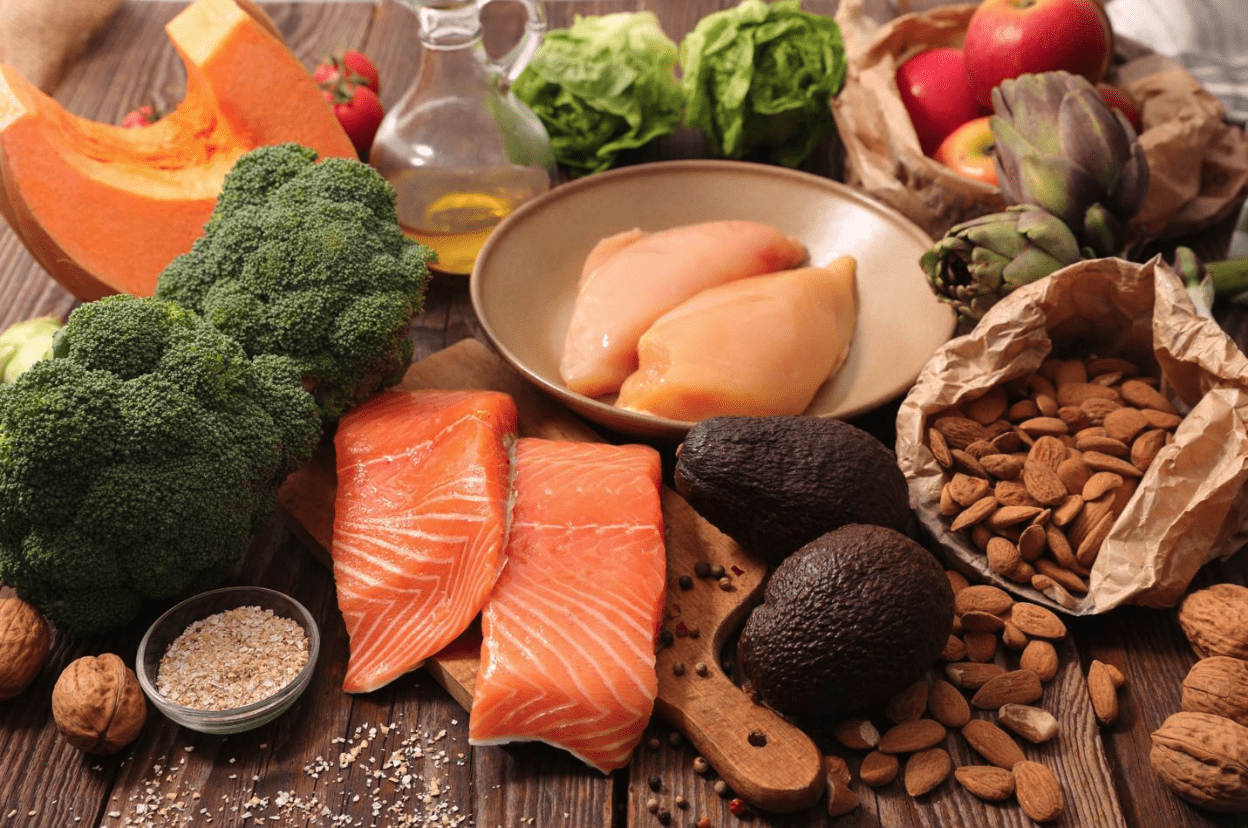
When a fracture happens, your body launches a complex rebuilding process that demands specific fuel. Proper nutrition for bone repair can shorten recovery time and reduce complication risks. Yet most people simply pop a calcium pill and hope for the best — missing critical nutrients their bones actually need.
What Helps Broken Bones Heal Faster?
Bone healing follows four stages: inflammation, soft callus, hard callus, and remodeling. Each phase requires different nutrients. During inflammation (days 1–7), protein and vitamin C drive immune response. The soft callus phase needs collagen building blocks. Hard callus formation demands calcium and phosphorus, while remodeling relies on vitamins D and K2.
A 2017 study in the Journal of Orthopaedic Trauma confirmed that protein-deficient patients experienced 2x longer healing times. About 50% of bone structure is protein — so aim for 1.2–1.5 g per kg of bodyweight daily.
Which Food Is Best for Bone Repair?
No single food does it all, but these stand out:
- Dairy and sardines — calcium (1000–1200 mg/day needed)
- Eggs, fatty fish — vitamin D (600–800 IU/day)
- Bell peppers, citrus — vitamin C for collagen synthesis
- Leafy greens — vitamin K1 and magnesium
- Nuts, seeds — zinc, magnesium, and boron
Magnesium is a nutrient most guides overlook. It regulates calcium metabolism and activates vitamin D. Without adequate magnesium, calcium can’t reach bone tissue efficently.
What About Vitamin K2 and Collagen?
Vitamin K2 directs calcium into bones by activating osteocalcin. A 2013 study in Osteoporosis International showed K2 supplementation reduced fracture risk by 80% in certain populations. Fermented foods like natto and aged cheese are top sources.
Hydrolyzed collagen supplements (10–15 g/day) also show promise. Research published in Nutrients in 2018 found they improved bone mineral density markers in postmenopausal women.
Foods to Avoid With Broken Bones
Some things actively slow healing:
- Alcohol — suppresses osteoblast activity
- Excess salt — increases calcium loss through urine
- Caffeine over 400 mg/day — interferes with calcium absorption
- Highly processed foods — high in phosphorus, which disrupts calcium balance
Smoking deserves special mention. It restricts blood flow to healing tissue and can delay union by weeks.
FAQ
What supplement helps broken bones heal fastest?
Calcium with vitamin D is the baseline. But adding vitamin C (500 mg), zinc (15 mg), and magnesium (300–400 mg) creates a more complete protocol. Creatine monohydrate at 5 g/day can also help minimize muscle loss during immobilization — something a 2009 study in Medicine & Science in Sports confirmed.
How can I rebuild my bones naturally?
Focus on whole foods first. Weight-bearing exercise (once cleared by your doctor) stimulates bone remodeling. Get 15–20 minutes of sunlight for vitamin D synthesis, eat protein at every meal, and include omega-3 rich foods like salmon to manage inflammation.
Final Thoughts
Healing a fracture isn’t just about rest and time. The right nutrients at the right stage make a measurable differnce. Prioritize protein, calcium, vitamins D, C, and K2 — and don’t ignore magnesium. Cut back on alcohol, excess caffeine and processed food. Your bones will thank you for it.