
Large Plastic Part Injection Molding: Extrusion and Clamping Configurations for Horizontal Injection Molding Machine
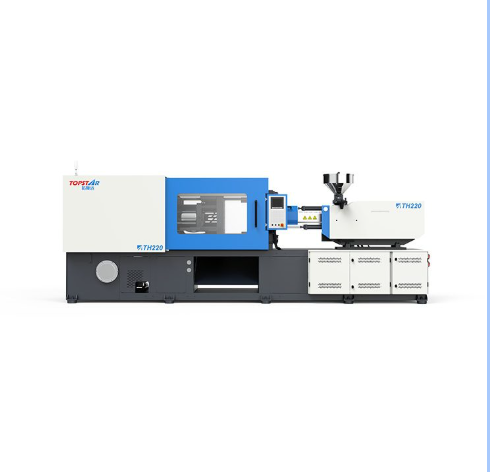
In manufacturing large plastic parts, precision is not merely a quality objective; it is a prerequisite for operation. Automotive panels, appliance housings, industrial pallets, and large structural shells all require stable geometry, uniform density, and consistent surface finish. In this context, horizontal injection molding machines, with their superior balance, controllable pressure distribution, and efficient mold support, have become the core solution for manufacturing ultra-large parts.
Unlike the production of small parts, injection molding large plastic parts requires greater material usage, longer flow paths, and greater structural stress. Therefore, injection molding machines must possess excellent stability, repeatable forces, and controllable melt behavior.
Extrusion System Design for Horizontal Injection Molding Machine for Large Plastic Parts
The extrusion system is the core of any injection molding machine for stable melt delivery. For large plastic parts, the requirements for this system are even higher. Horizontal injection molding machines must maintain stable melt temperature, uniform material flow, and consistent pressure throughout the injection cycle.
Unlike small molds, large cavities require longer injection times and more precise melt distribution. Therefore, screw diameter, barrel size, and heater capacity are critical to process efficiency. A well-matched extrusion system prevents overheating, flow instability, and material degradation. Injection molding machine designs integrate servo-driven screws that dynamically adjust speed and pressure. This enables optimal control during extrusion, especially when processing large volumes of polymer. By controlling shear rates and minimizing thermal stress, manufacturers can achieve a more uniform melt.
Horizontal Injection Molding Machine Clamping Force Optimization for Improved Structural Integrity
In the production of large plastic parts, clamping force is crucial for maintaining mold stability. Insufficient clamping force can lead to flash or mold splitting, while excessive clamping force results in premature wear and energy inefficiency. Therefore, clamping force settings must be precisely balanced.
A horizontal injection molding machine distributes pressure evenly across the mold surface, ensuring stable pressure during injection and holding. This structure contributes to the integrity of large molds and reduces mechanical stress. Simultaneously, the injection molding machine platform offers adjustable clamping profiles to accommodate part sizes and mold designs. These systems ensure that the applied forces remain stable throughout the molding cycle, thereby reducing part deformation and improving surface uniformity.
Coordination of Extrusion and Clamping Performance
For optimal production of large parts, the extrusion and clamping systems must work in tandem. Horizontal injection molding machines achieve superior production results when these two components operate in coordination, resulting in a smooth transition from material injection to pressure holding.
Extrusion cycles that are too vigorous can exceed the mold’s clamping capacity, while insufficient clamping force can affect dimensional accuracy. Therefore, intelligent configuration of these two systems ensures consistent mold filling and compaction. Advanced injection molding machine control systems integrate pressure sensors and flow-monitoring tools, enabling real-time parameter adjustments. This coordination mechanism minimizes defects and improves repeatability. Manufacturers thus benefit from predictable product quality and lower scrap rates.
Material Flow Challenges During Operation
The production of large plastic parts often faces complex flow challenges, such as uneven filling, flow stagnation, or trapped air bubbles. A well-configured horizontal injection molding machine can address these challenges through intelligent extrusion control and clever mold design.
Optimization includes selecting the appropriate barrel temperature range, injection speed profile, and venting strategy. Each adjustment ensures smooth material flow and minimizes flow interruptions. Therefore, injection molding machines ensure consistent part density and prevent internal voids. Material selection also affects performance. Different polymers have unique thermal behaviors and viscosity characteristics. Therefore, injection molding machine parameters must be adjusted accordingly. The ability to precisely adjust flow characteristics is the key difference between advanced injection molding machines and basic equipment.
Improving the Efficiency of Horizontal Injection Molding Machines through Intelligent Control
For manufacturers specializing in injection molding large parts, efficiency is paramount—energy consumption, cycle time, and process stability directly impact production costs. Horizontal injection molding machines equipped with intelligent control systems can optimize every aspect of production.
Servo motors, real-time feedback loops, and programmable sequences enable injection molding machines to adjust pressure and speed dynamically. This reduces material waste, lowers operating noise, and improves product consistency. Furthermore, intelligent automation supports predictive maintenance and process analysis. Operators can monitor performance trends and make proactive adjustments. This data-driven approach improves uptime and ensures consistent product quality over longer production cycles.
Value in Large Part Manufacturing
Choosing a horizontal injection molding machine for producing large plastic parts is not just a technical decision, but a strategic business initiative. These injection molding machines help manufacturers scale up production, meet market demands, and maintain consistent product standards. By optimizing extrusion and clamping configurations, companies can shorten production cycles, improve structural strength, and reduce material waste. These advantages directly translate into cost-effectiveness and market competitiveness. Furthermore, consistent output enhances brand reliability and customer trust. High-quality, large plastic parts embody precision, durability, and superior engineering design.