
How to Buy a Luxury Watch as a Gift Without Getting It Wrong
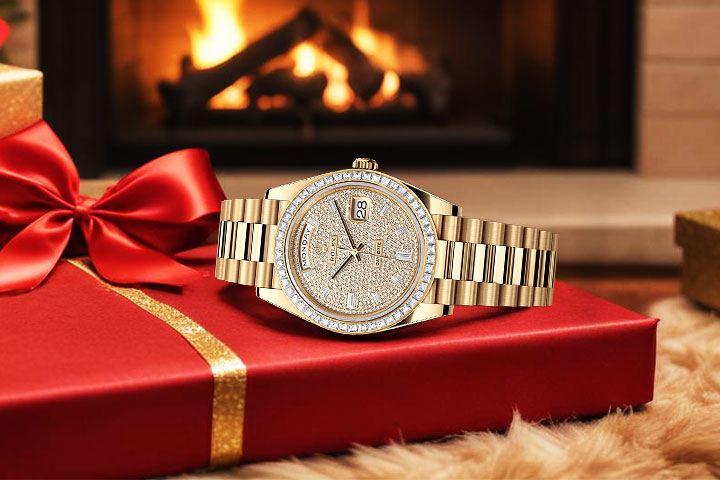
Giving someone a luxury watch is one of the most memorable things you can do. It sits on their wrist every day. It marks the moment. And unlike most gifts, a quality timepiece often becomes more meaningful over time, not less.
But if you’re not a collector yourself, the process can feel overwhelming. The terminology is dense, the price range is enormous, and the fear of choosing the wrong thing is very real. Spend twenty minutes browsing forums and you’ll quickly realise that watch enthusiasts have strong, specific opinions about what they want.
This guide is written for exactly that person: the partner, spouse, sibling, or parent who wants to get this right. You don’t need to become an expert. You just need to ask the right questions, in the right order.
Step One: Find Out What They Actually Want (Without Ruining the Surprise)
This is the part most people skip, and it’s the part that matters most.
Collectors rarely want to be surprised with the wrong watch. A Rolex Submariner and a Patek Philippe Calatrava are both extraordinary timepieces, but they’re worn by different people for different reasons. Getting that wrong isn’t a small miss.
The Low-Key Research Approach
The good news is that watch enthusiasts tend to talk about what they like. Here’s how to gather intelligence without tipping your hand:
- Check their social media. Have they liked or saved posts featuring specific references? Many collectors follow accounts dedicated to single brands or models.
- Look at what they already wear. A person who wears a sports watch daily probably isn’t dreaming about a dress watch, and vice versa.
- Ask a trusted mutual friend. Someone who already knows they’re a watch person is the best secondary source you have.
- Listen to passing comments. Phrases like “I’d love one of those someday” are often more literal than they seem.
- Check browser history if you share a device. Not glamorous, but effective. Watch enthusiasts research obsessively.
If the recipient has mentioned a specific reference number, write it down exactly. “The steel Nautilus” and “the white gold Nautilus” are very different things, both in character and price.
Understanding What You’re Buying
You don’t need to know how a movement works. But understanding a few key concepts will make every dealer conversation go much more smoothly.
New vs Pre-Owned
The honest reality of the luxury watch market is that new isn’t always better, and it’s often not even available.
Brands like Patek Philippe, Rolex, and Audemars Piguet allocate their most desirable references through authorised dealers using waitlists that can stretch for years. For many popular models, the secondary market is the only practical route.
Pre-owned watches from reputable specialists are thoroughly authenticated, often come with original box and papers, and can be purchased at or near market value without the uncertainty of a waitlist. For someone receiving the watch as a gift, the distinction between “new” and “expertly verified pre-owned” rarely matters on the day. What matters is the watch on their wrist.
Box and Papers: Why They Matter
“Box and papers” refers to the original manufacturer packaging, warranty card, and accompanying documentation that comes with a watch at the point of first sale.
For collectors, these items carry real significance:
- They support authenticity verification at a glance
- They can add 10–30% to resale value, particularly on desirable references
- They confirm the watch’s history and provenance
- Some brands, like Patek Philippe, issue extract-of-the-archives documents that record the original sale details
Not every pre-owned watch will have complete box and papers. But any reputable dealer will tell you exactly what’s included, and should factor that into the pricing transparently. If a seller is vague about documentation, that’s a signal worth paying attention to.
Questions to Ask a Dealer Before You Buy
A good dealer won’t mind being asked detailed questions. In fact, the willingness to answer thoroughly is one of the clearest signs you’re dealing with someone trustworthy.
Here’s what to ask:
- Is this watch fully authenticated? Ask how, and by whom. Specialist dealers typically have in-house watchmakers or established authentication protocols. Vague answers aren’t good enough at this price point.
- What’s included? Box, papers, warranty card, accessories, extra links. Know what you’re getting.
- What’s the service history? Has the movement been serviced? When? What was done?
- Is the dial original? Dial originality is critically important to collectors. Refinished, repainted, or “tropical” dials all affect value differently, and the buyer should know what they’re getting.
- What’s the return or exchange policy? A confident dealer will have a clear answer. If the recipient doesn’t love it, or if it’s the wrong model, what happens next?
- Can you provide an independent appraisal document? For high-value pieces, this is worth requesting for insurance purposes.
Why Pre-Owned Specialists Often Beat Retail
Authorised dealer shelves for the most sought-after references are frequently bare. This has been widely documented by outlets like Robb Report and Bloomberg, both of which have covered the allocation crisis across brands like Patek Philippe in considerable depth.
The practical result is that many buyers, including people purchasing as gifts, turn to specialist pre-owned dealers. And for good reason.
A specialist dealer with genuine expertise can:
- Source a specific reference that isn’t currently available anywhere else
- Offer real pricing transparency based on current market data, not inflated grey-market markups
- Provide full authentication from people who handle these watches daily
- Guide first-time buyers through the nuances without making them feel ignorant
For gift buyers specifically, the additional benefit is access. If the person you’re buying for has their eye on something like a Patek Philippe Nautilus or a Calatrava in a specific configuration, you’re unlikely to walk into a boutique and find it waiting. Navigating the pre-owned market with expert guidance is often the only realistic path.
Wrist Aficionado, for example, operates three boutique locations across New York, Miami, and Beverly Hills, with an inventory spanning Rolex, Patek Philippe, Audemars Piguet, Richard Mille, and a range of independent watchmakers. For a gift buyer who needs both access and confidence, that kind of physical presence alongside an authenticated inventory matters.
Buying a Patek Philippe as a Gift
Patek Philippe holds a particular place in the watch world. The brand’s own long-running advertising has shaped how people think about watch ownership as something inherited and passed down across generations, which makes a Patek a deeply meaningful gift for milestone occasions.
If you’re considering patek philippe luxury watches for someone, it helps to understand the basic range before you shop:
- Calatrava – The brand’s flagship dress watch. Clean, round, slim. Ideal for someone who wears suits regularly or appreciates understated classical design.
- Nautilus – The iconic steel sports-luxury piece designed by Gérald Genta. One of the most desirable references in the entire secondary market. Expect to pay above retail for steel versions.
- Aquanaut – Sportier and slightly more contemporary than the Nautilus. A good option for someone with a more casual, active lifestyle.
- Complications – Annual calendars, perpetual calendars, chronographs. These are for someone who is already a collector and has specifically mentioned wanting a complications piece.
Understanding which family fits the recipient’s lifestyle will save you a significant amount of time and money.
Key Takeaways
- Research what the recipient actually wants before you shop. Watch enthusiasts are specific, and getting it right matters more than the surprise element.
- Box and papers add genuine value. Ask about documentation upfront and factor it into your comparison between pieces.
- Pre-owned from a reputable specialist is often the most practical route to the most coveted references. Waitlists at authorised dealers can last years.
- Ask detailed questions before purchasing. Authentication process, service history, dial originality, and return policy are all fair game.
- Patek Philippe references vary significantly in character. Match the model to the person’s lifestyle, not just to a price point.
FAQ
Is it acceptable to give a pre-owned luxury watch as a gift? Absolutely. For many of the most desirable references, pre-owned is the only available route. What matters to the recipient is the watch itself, its authenticity, and its condition. A well-sourced, fully authenticated pre-owned piece from a specialist dealer is an entirely appropriate milestone gift.
How do I know if a pre-owned watch is genuine? Buy from a dealer who can explain their authentication process clearly. Reputable specialists employ watchmakers and follow documented verification procedures. Ask specifically about the movement, dial, and case, and request written authentication documentation. If the answers are vague, shop elsewhere.
What if I buy the wrong model? Confirm the dealer’s exchange or return policy before purchasing. A good specialist will have a clear, fair process. If you’re genuinely unsure about the specific model, consider using a dealer’s sourcing service to find the exact reference the recipient has mentioned, rather than guessing.
Do I need to insure the watch before giving it as a gift? Yes, particularly at this price level. Request an appraisal document from the dealer and contact your home insurance provider before the watch is given. Specialist watch insurance is also widely available and worth exploring for pieces above $10,000.
What is the resale value of a Patek Philippe? Patek Philippe is widely regarded as one of the strongest-holding brands in the secondary market. Steel Nautilus and Aquanaut references in particular have historically traded above retail. Values fluctuate with market conditions, but a well-maintained Patek with box and papers tends to hold or appreciate over time far better than most luxury goods.
Closing Thoughts
Buying a luxury watch for someone you care about is a genuinely meaningful gesture. The process doesn’t need to be intimidating. A little research into what the recipient likes, a few sharp questions to the right dealer, and a clear understanding of what documentation you should expect will take you most of the way there.
The goal isn’t perfection. It’s confidence. When you hand over something that took real thought and real care to find, that comes through.